What are quote blocks
Last updated: April 23, 2025
What are quote blocks?
Quotes have blocks, understand how to use these blocks to build the perfect deal.
Quote blocks are a powerful tool for enhancing your proposals and customer communications. Lets walk through the four types of quote blocks: Context Blocks, Pricing Option Blocks, Text Blocks, and Term Blocks. Each block serves a unique purpose to help you provide clear and detailed information to your customers.
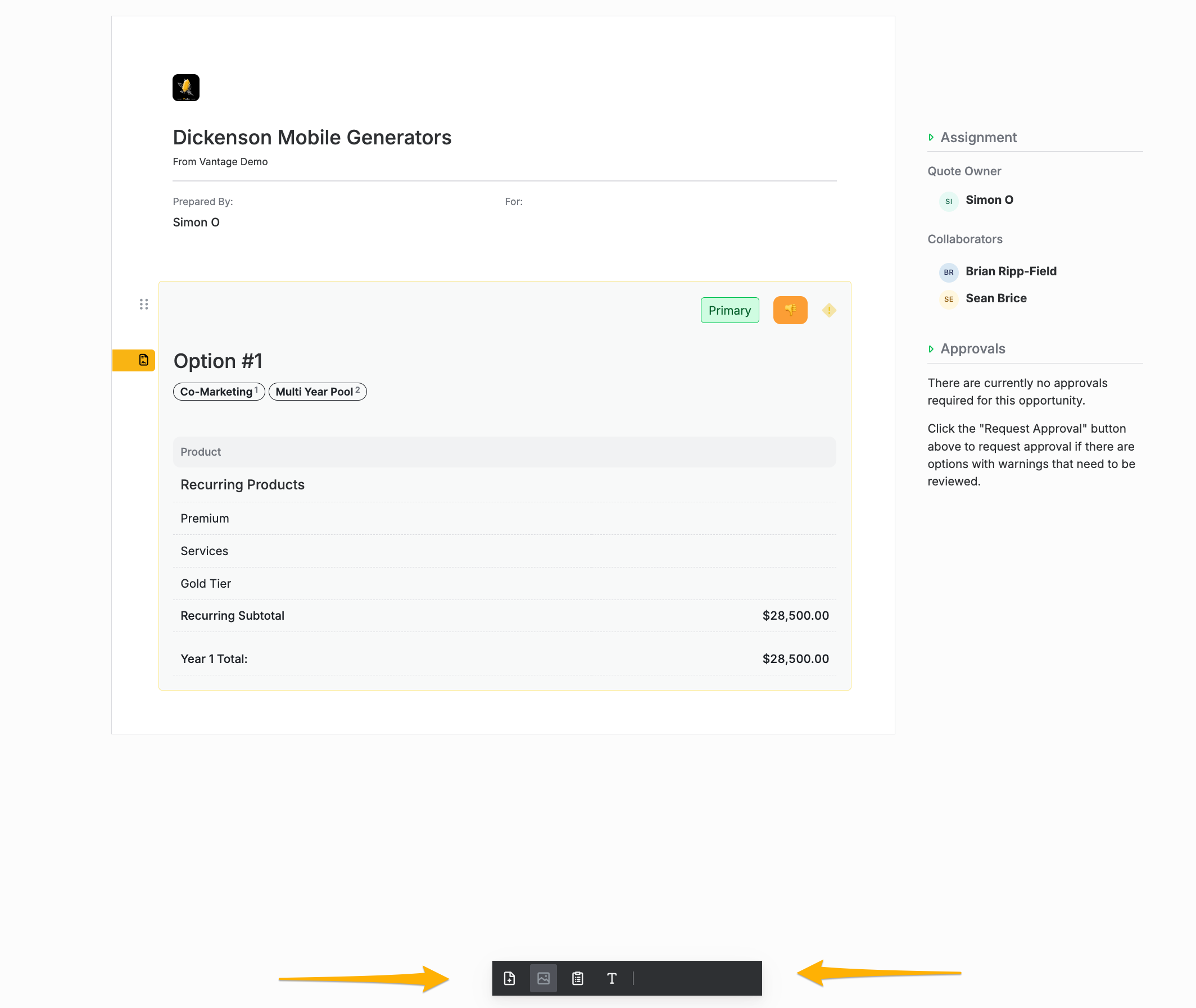
Context Blocks
Context Blocks are designed to give your quotes a structured introduction. They help set the stage by defining key details about the quote. Here’s how to use them effectively:
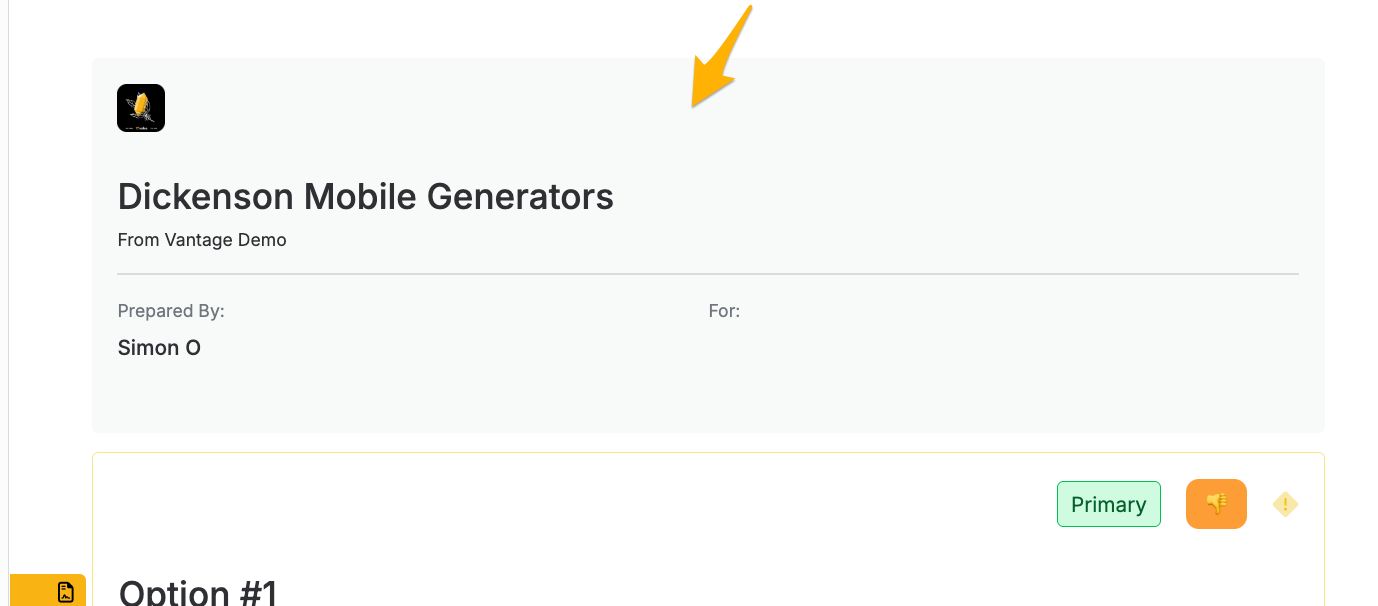
Features of Context Blocks:
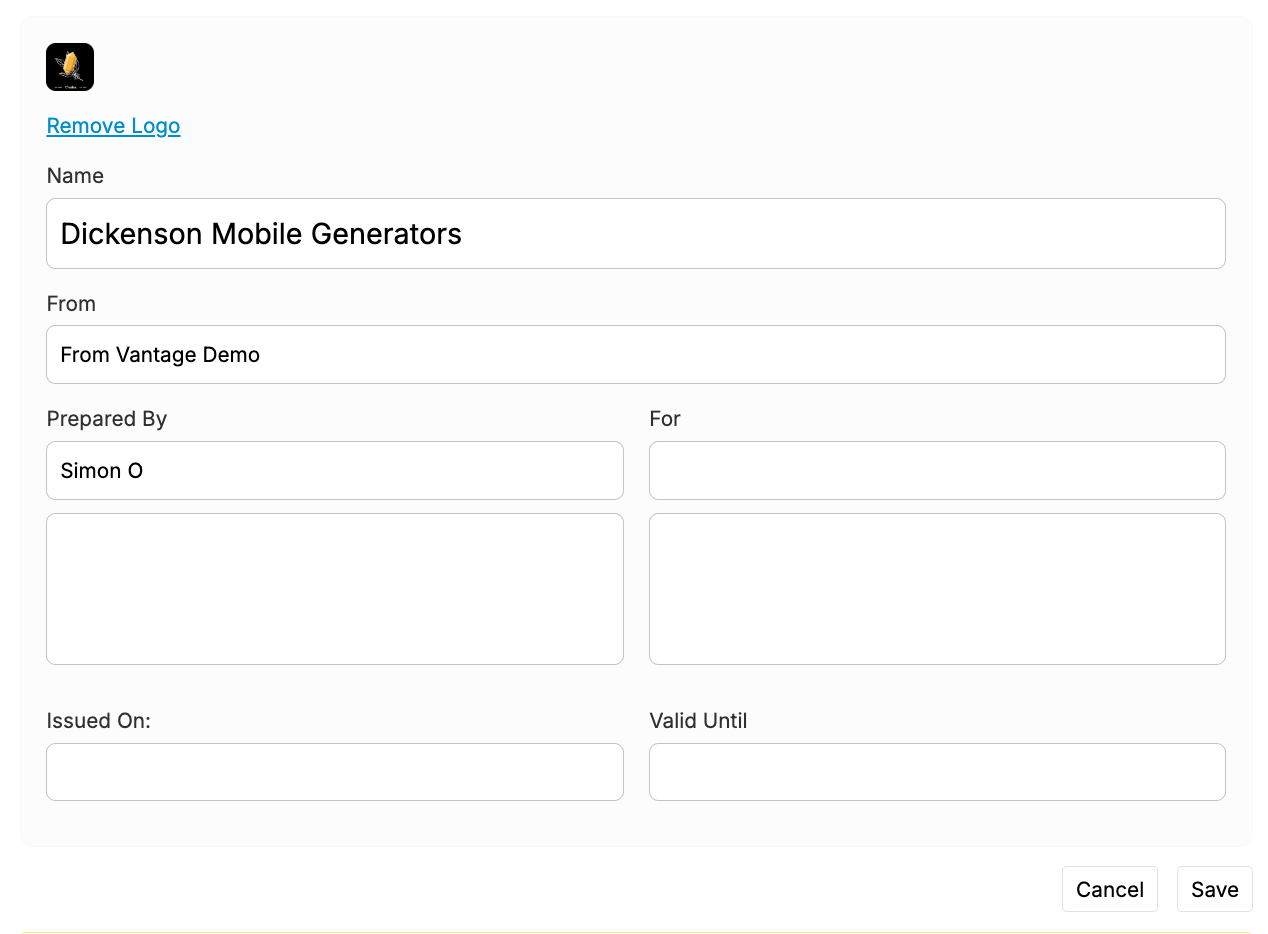
• Who the Quote is For: Clearly state the recipient of the quote. This includes the customer’s name and relevant contact details. Common contacts include Decision Makers or Billing Contacts.
• Who is Sending the Quote: Provide details about the sender, including your name, position, and contact information. This automatically populated if you set up your setting correctly. See support page for profile set up.
• Issued On & Valid Through Dates: Specify the dates you are issuing the quote and the duration the quote is valid. This ensures the customer knows the timeframe within which they need to respond.
Example of a Context Block:
For more Information on Context Blocks, visit this article.
Pricing Option Blocks
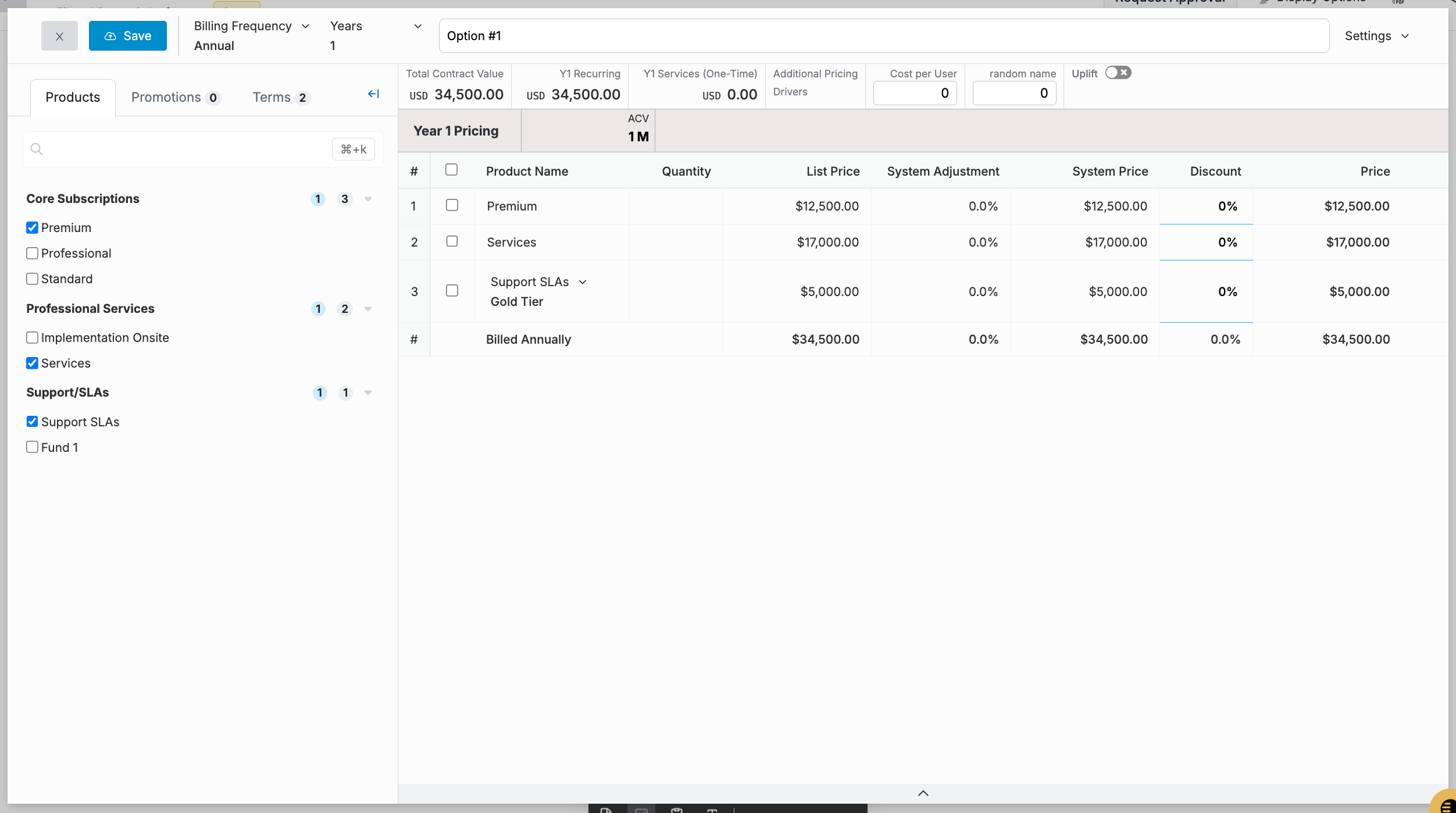
Pricing Option Blocks allow you to present various pricing scenarios to your customer. This helps them understand the different options available and choose the one that best fits their needs.
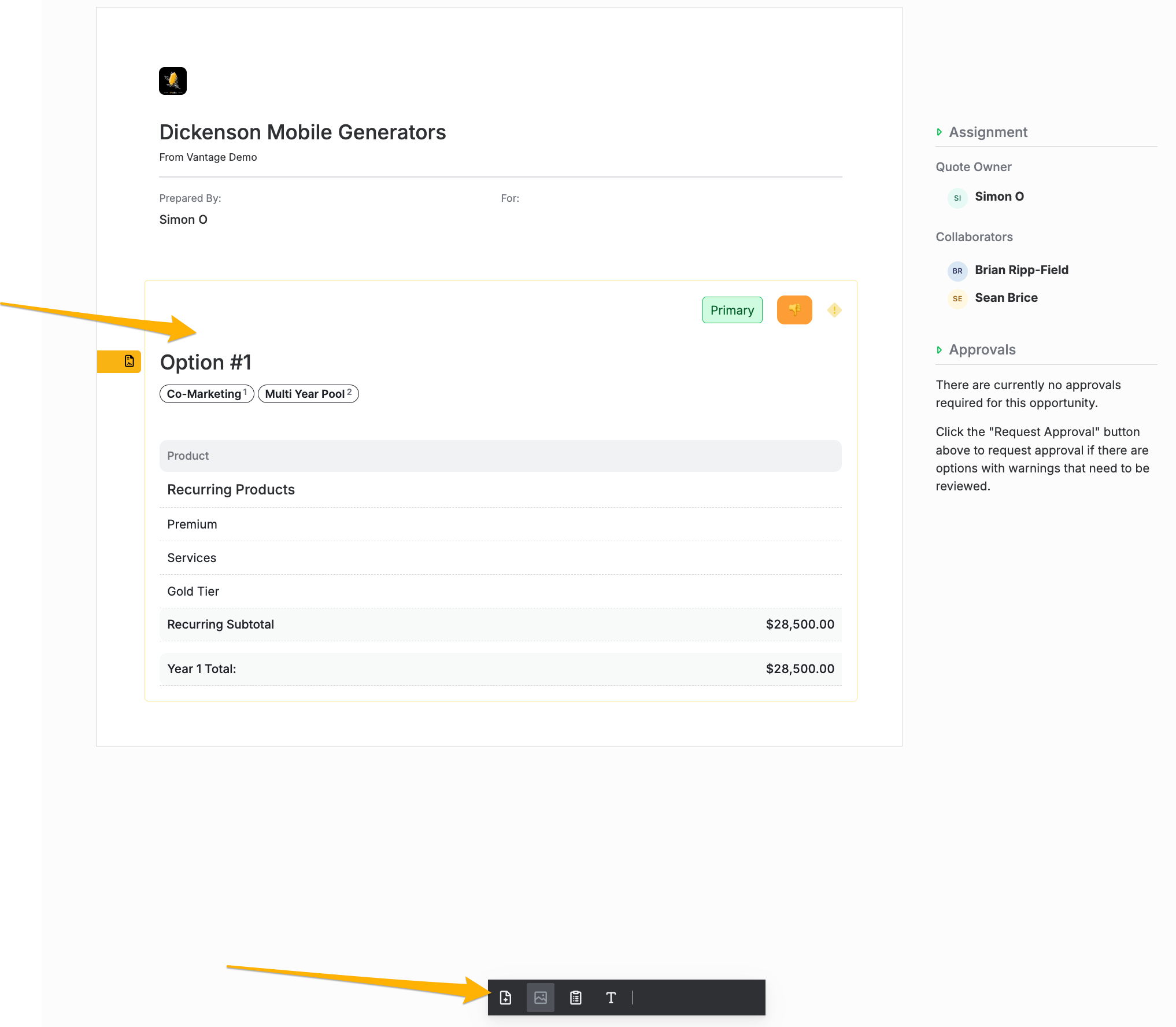
Features of Pricing Option Blocks:
• Multiple Scenarios: Offer different pricing models such as one-time payments, subscriptions, or volume discounts.
• Clear Breakdown: Provide a detailed breakdown of costs associated with each pricing option, including any additional fees or discounts.
• Comparative Layout: Present the options side by side to facilitate easy comparison.
Example of a Pricing Option Block:
For more Information on Pricing Option Blocks, visit this article.
Text Blocks
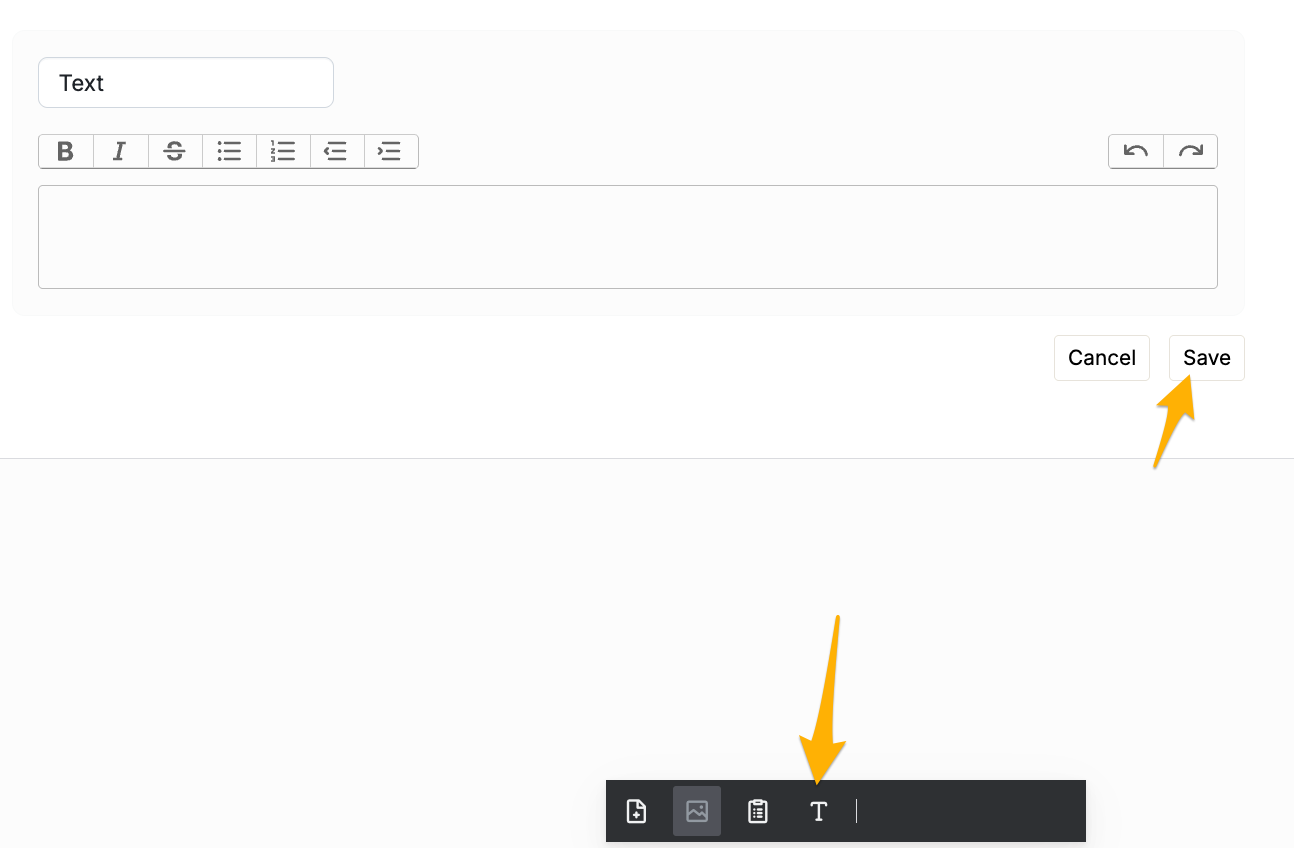
Text Blocks are used to share unique deal by deal specifics during the negotiation process. These blocks allow you to personalize the experience and provide case by case customizations to the quote.
Features of Text Blocks:
• Free text block with rich text capabilities.
Term Blocks
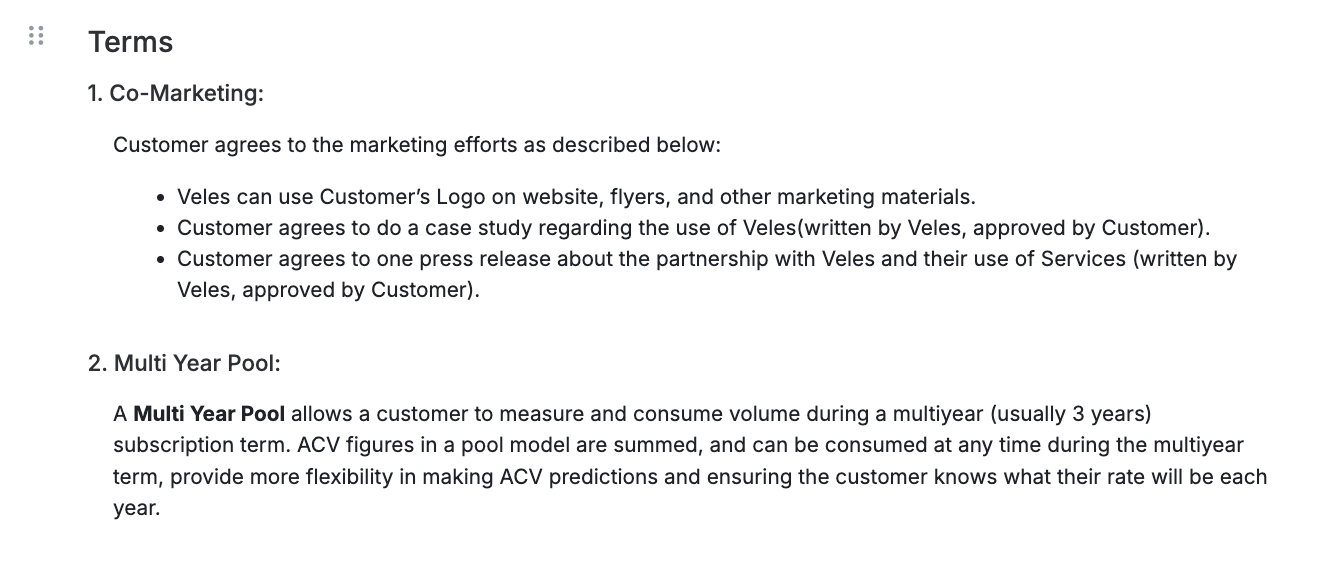
Term Blocks are used to share the commercial terms during the negotiation process. These blocks ensure that all parties are aware of the terms and conditions associated with the quote.
Features of Term Blocks:
• Payment Terms: Specify the payment schedule, due dates, and accepted payment methods.
• Delivery Terms: Outline the delivery timelines and any associated costs.
• Warranty and Support: Detail the warranty period and the support services included with the purchase.
Example of a Term Block:
For more Information on Term Blocks, visit this article.
If you have any questions or need further assistance, please don't hesitate to contact our support team.